blog
  • Sustainability and Safety Features of Easy Open Ends
    Sustainability and Safety Features of Easy Open Ends Dec 22, 2025
    As consumers become increasingly conscious of environmental impact and product safety, brands are under growing pressure to adopt packaging solutions that are both sustainable and safe. Easy open ends (EOEs) have emerged as a favorable choice in this regard, offering a range of sustainability and safety features that align with modern consumer expectations and global regulatory requirements. These features not only benefit the environment but also enhance brand reputation and consumer trust.   When it comes to sustainability, EOEs have several key advantages. One of the most notable is their recyclability. Most EOEs are made from aluminum, which is 100% recyclable and can be recycled indefinitely without losing quality. Recycling aluminum requires significantly less energy compared to producing new aluminum from bauxite ore—up to 95% less energy, in fact. This reduces carbon emissions and helps conserve natural resources. Additionally, EOEs are lightweight, which reduces the overall weight of the packaging, leading to lower transportation costs and fewer greenhouse gas emissions during shipping.   Safety is another critical feature of EOEs. For food and beverage packaging, EOEs must comply with strict food contact safety standards to ensure that they do not leach harmful substances into the product. High-quality EOEs are made from food-grade materials that are free from toxic chemicals, such as bisphenol A (BPA). The sealant used in EOEs is also carefully selected to be compatible with the product contents and to withstand the canning process, such as high-temperature sterilization, without breaking down or contaminating the product. Furthermore, the design of EOEs minimizes the risk of injury during opening, with smooth edges and controlled opening force to prevent accidental cuts.   Many EOE manufacturers are also taking additional steps to enhance sustainability, such as using recycled materials in production and optimizing packaging designs to reduce material waste. For example, some EOEs are designed with thinner walls without compromising strength, reducing the amount of aluminum used per unit. Others are exploring innovative sealant materials that are more environmentally friendly, such as water-based sealants.   BIOPIN is committed to delivering EOEs that prioritize both sustainability and safety. Our EOEs are made from 100% recyclable aluminum, supporting the circular economy and reducing environmental impact. We strictly adhere to global food safety regulations, using food-grade materials and BPA-free sealants to ensure that our EOEs are safe for use with all types of food and beverages. Beyond our product features, we offer sustainability consulting to help our clients reduce their overall packaging footprint, such as recommending lightweight EOEs or optimizing order quantities to minimize waste. Our dedicated quality control team conducts rigorous testing on every batch of EOEs to ensure compliance with safety standards and performance requirements. With BIOPIN, you can trust that your packaging is not only sustainable and safe but also backed by our exceptional customer service, including timely delivery, flexible production options, and expert support to address any sustainability or safety concerns.
  • How Easy Open Ends Are Manufactured and Their Technical Details
    How Easy Open Ends Are Manufactured and Their Technical Details Dec 16, 2025
    Easy open ends (EOEs) may seem simple, but their manufacturing process involves a series of precise steps and technical considerations to ensure functionality, safety, and consistency. From raw material selection to final inspection, each stage of production plays a critical role in delivering a high-quality product that meets industry standards and consumer expectations. Understanding the manufacturing process and technical details of EOEs can help brands make more informed decisions about their packaging choices.   The manufacturing process of EOEs typically begins with raw material selection. The most common material used is aluminum, due to its lightweight, corrosion resistance, and recyclability. The aluminum sheets are carefully selected based on thickness and alloy composition, which vary depending on the type of EOE and its intended use. For example, EOEs for carbonated drinks require thicker aluminum to withstand internal pressure, while those for non-carbonated products may use thinner sheets to reduce cost.   Next, the aluminum sheets undergo a series of forming processes. The first step is blanking, where large sheets are cut into small, circular blanks of the required size. These blanks are then drawn through a series of dies to form the basic shape of the EOE, including the flange, which is the part that attaches to the can body. For ring pull EOEs, an additional step involves forming the pull tab and attaching it to the EOE using a rivet. This process requires high precision to ensure that the pull tab is securely attached and that the opening force is within the desired range—typically between 8 and 15 pounds for consumer products.   Technical details such as the score line and sealant are also crucial components of EOEs. The score line is a thin, pre-cut groove on the EOE that allows for easy opening when the pull tab is pulled. The depth and width of the score line must be precisely controlled to ensure that the EOE opens easily without breaking prematurely. The sealant, which is applied to the flange, is responsible for creating a hermetic seal between the EOE and the can body. It must be compatible with the product contents and able to withstand the canning process, such as high-temperature sterilization.   At BIOPIN, we adhere to strict manufacturing standards and technical specifications to produce high-quality EOEs. Our production facilities are equipped with advanced machinery and technology, ensuring precise control over every stage of the manufacturing process. We use premium food-grade aluminum and high-quality sealants that are compliant with global food safety regulations. Our team of technical experts continuously monitors and optimizes the production process to ensure consistency in performance, such as opening force and seal integrity. Additionally, we offer technical support to our clients, providing detailed specifications and guidance on EOE selection and compatibility with their canning processes. Our commitment to technical excellence and customer support makes us a trusted partner for businesses seeking reliable, high-performance EOEs.
  • Why Easy Open Ends Are Preferred for Packaging
    Why Easy Open Ends Are Preferred for Packaging Dec 09, 2025
    In the fast-paced world of consumer goods, packaging is more than just a protective layer—it’s a key touchpoint that influences purchasing decisions and user satisfaction. Among the various packaging components, easy open ends (EOEs) have become increasingly preferred by both brands and consumers, and for good reason. Their unique combination of convenience, functionality, and safety addresses many of the pain points associated with traditional packaging closures.   Convenience is undoubtedly the top driver behind the popularity of EOEs. Unlike traditional can openers that require additional tools and effort, EOEs allow consumers to open cans quickly and easily with just their hands. This is particularly valuable in on-the-go scenarios, such as picnics, travel, or busy households, where convenience can significantly enhance the user experience. For brands, this translates to higher consumer satisfaction and repeat purchases, as users are more likely to choose products that are easy to use.   Another key advantage of EOEs is their superior sealing performance. When properly manufactured, EOEs create a hermetic seal that effectively preserves the freshness, flavor, and quality of the contents. This is critical for perishable products like food and beverages, as it extends shelf life and reduces the risk of spoilage. Additionally, EOEs offer excellent protection against external contaminants, such as dust, moisture, and bacteria, ensuring that products remain safe for consumption until they are opened.   EOEs also provide brands with opportunities for branding and differentiation. The surface of EOEs can be customized with logos, brand colors, and promotional messages, helping to increase brand visibility and recognition. This is especially important in crowded retail environments, where products need to stand out from the competition. Furthermore, EOEs are compatible with a wide range of can sizes and shapes, making them a versatile packaging solution for various product categories, from small canned snacks to large industrial containers.   For businesses looking to leverage the benefits of EOEs, BIOPIN is the ideal partner. Our EOEs are engineered to deliver exceptional convenience and sealing performance, ensuring that your products meet consumer expectations for ease of use and quality. We offer extensive customization options, allowing you to tailor the EOE design to your brand identity. What sets us apart, however, is our commitment to customer-centric service. We work closely with you to understand your specific packaging needs, provide expert recommendations, and ensure timely delivery of orders. Whether you’re launching a new product or upgrading your existing packaging, our team is dedicated to supporting your success every step of the way.
  • Comparing Different Types and Brands of Easy Open Ends
    Comparing Different Types and Brands of Easy Open Ends Dec 03, 2025
    When it comes to packaging for food and beverages, easy open ends (EOEs) play a pivotal role in enhancing user experience and product preservation. However, not all EOEs are created equal—different types and brands cater to varying product requirements, market preferences, and industry standards. Understanding these differences is key for brands and distributors to make informed decisions that align with their product goals.   First, let’s break down the main types of EOEs. The most common variants include ring pull EOEs, which are widely used for carbonated drinks, canned fruits, and vegetables due to their convenient one-hand operation. Then there are peel-off EOEs, designed for products that require a hermetic seal until opening, such as dairy products and processed meats. Another type is the full-open EOEs, favored for large-format cans like pet food or industrial ingredients, allowing for easy pouring and full access to the contents. Each type varies in terms of material thickness, opening force, and compatibility with different canning processes.   When comparing brands, several factors come into play: material quality, manufacturing precision, and consistency in performance. Some brands prioritize cost-effectiveness but may compromise on durability, leading to issues like difficult opening or seal failures. Others focus on premium materials but come with a higher price point, which may not be feasible for budget-sensitive products. Additionally, regional brands often tailor their EOEs to local regulatory requirements, while global brands emphasize standardized quality across markets. For example, EOEs for the European market must comply with strict food contact safety standards, while those for emerging markets may need to balance cost with basic safety requirements.   At BIOPIN, we stand out in the competitive EOE landscape by offering a diverse range of high-quality EOEs tailored to different product needs. Our ring pull, peel-off, and full-open EOEs are manufactured using premium food-grade aluminum, ensuring consistent performance and compliance with global safety standards. Beyond product quality, we provide personalized consultation to help clients select the most suitable EOE type based on their product characteristics, target market, and budget. Our responsive customer service team is available to address any queries throughout the selection and ordering process, and we offer flexible production runs to accommodate both large-scale orders and smaller batches, making us a reliable partner for businesses of all sizes.
  • Ring Pull Caps: Outpacing Crown Caps as the Future of Beverage Packaging
    Ring Pull Caps: Outpacing Crown Caps as the Future of Beverage Packaging Nov 28, 2025
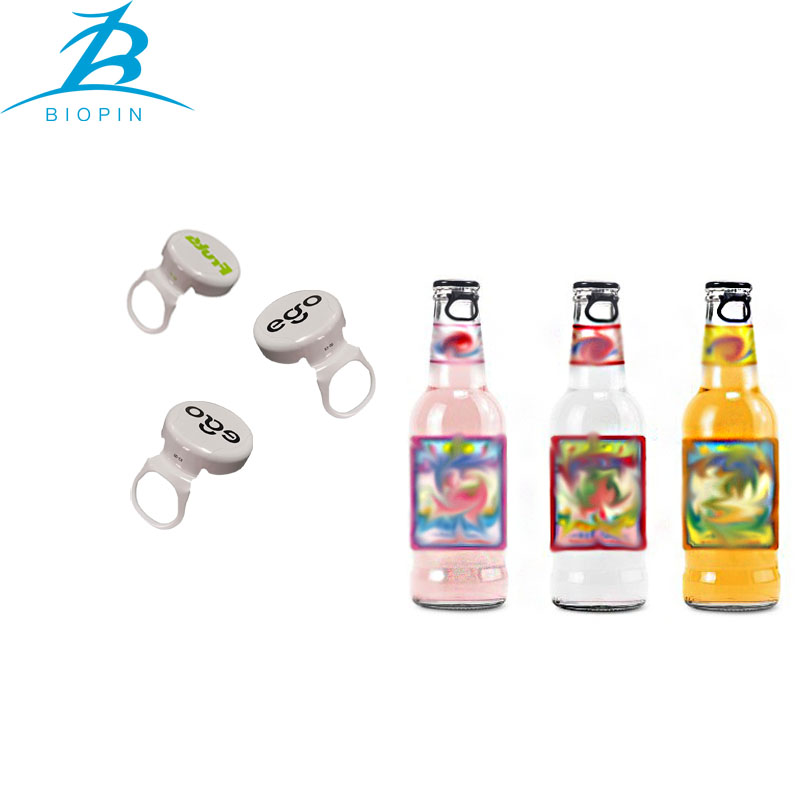
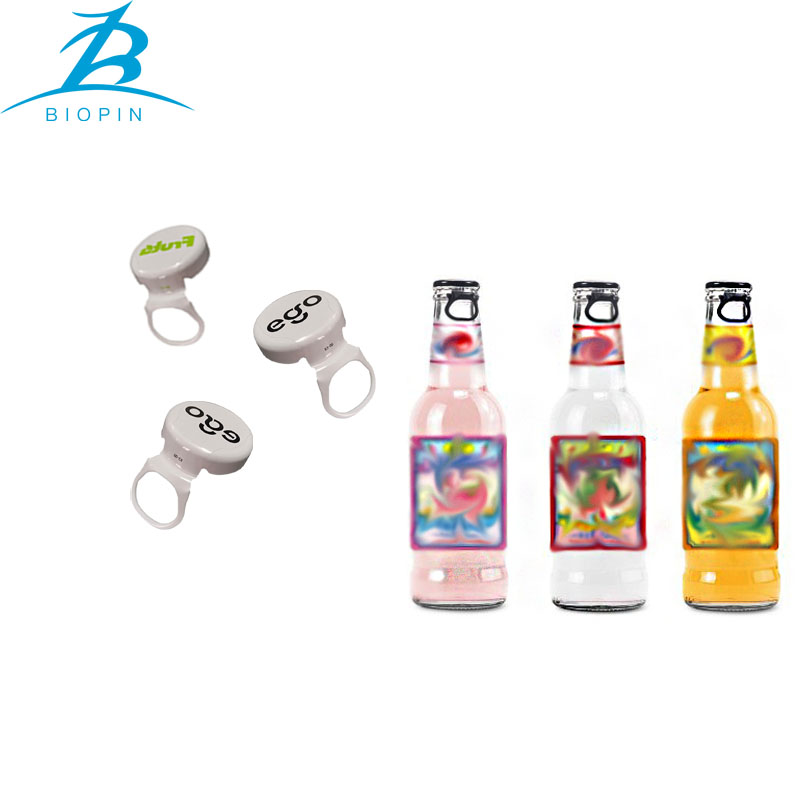
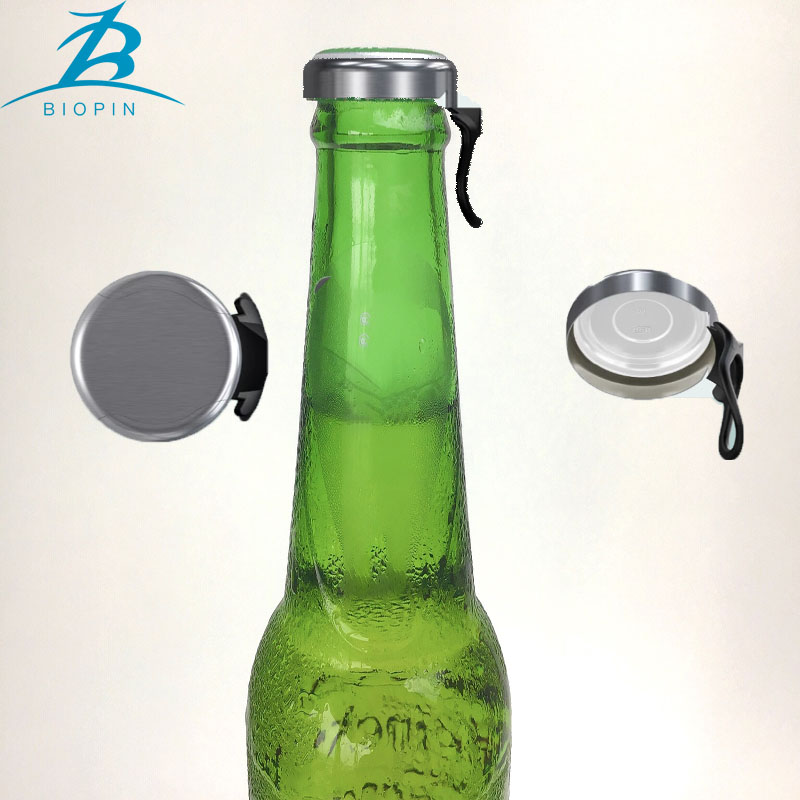
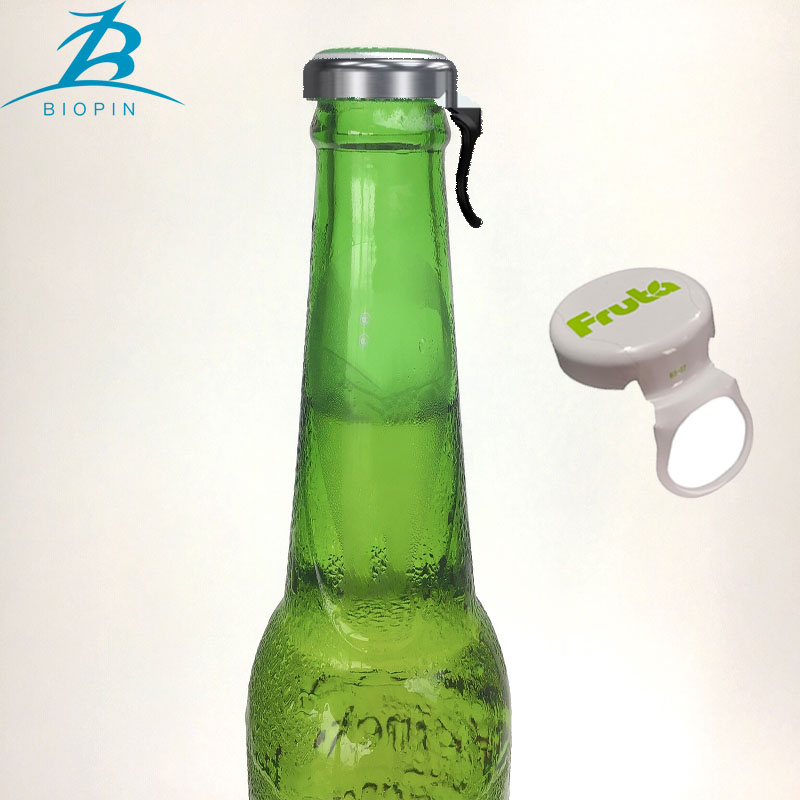
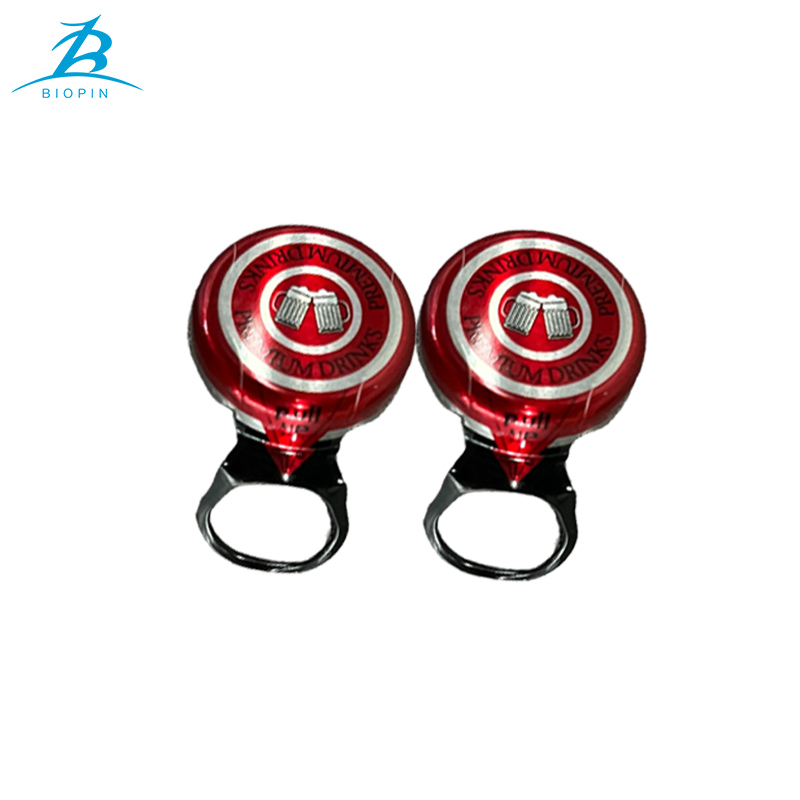
    Imagine grabbing a cold soda from a vending machine on a hot day, only to fumble with a crown cap and realize you have no opener—frustrating moments like this are why beverage consumers are increasingly choosing ring pull caps over traditional crown caps. Ring pull caps eliminate the need for extra tools entirely; a quick pinch and pull is all it takes to enjoy your drink, whether you’re at a picnic, commuting, or watching a game. This seamless experience turns a small daily task into a hassle-free pleasure, resonating deeply with today’s fast-paced lifestyles.​   Crown caps, once a standard in beverage packaging, are quickly becoming outdated. Beyond the opener requirement, they often pose challenges for elderly consumers or those with limited hand dexterity, narrowing a brand’s audience reach. Ring pull caps, by contrast, offer universal accessibility—appealing to all age groups and usage scenarios. For beverage brands, this translates to tangible business results: studies show that products switching to ring pull caps see a 12-18% uptick in sales, as convenience directly drives repeat purchases. Key keywords defining this shift are effortless beverage access, crown cap alternative, and future-proof packaging—terms that reflect consumer demand and industry evolution.​   The trend toward ring pull caps isn’t just consumer-driven; it’s also aligned with beverage industry efficiency goals. Ring pull caps integrate more smoothly with automated production lines, reducing bottlenecks compared to crown caps that require precise alignment during capping. They also boast superior sealing technology, keeping carbonated drinks fizzier and juices fresher for longer, cutting down on product waste and protecting brand reputation. As more brands adopt this solution, ring pull caps are solidifying their position as the industry standard—soon, crown caps may become a relic of beverage packaging past.​   For beverage brands ready to embrace the future, BIOPIN’s ring pull caps deliver unbeatable value that goes beyond convenience. Our caps are engineered specifically for beverage applications, with leak-proof sealing that preserves flavor and carbonation across soda, bottled water, iced tea, and energy drinks—outperforming crown caps in both functionality and user experience. Beyond product excellence, BIOPIN offers tailored services that set us apart: we provide custom cap designs to match your brand identity, flexible production schedules to accommodate seasonal demand spikes, and global logistics support to ensure timely delivery wherever your markets are. Our team of beverage packaging experts also offers free consultations to help you seamlessly transition from crown caps, minimizing production disruptions. Choose BIOPIN, and let our ring pull caps drive customer loyalty, expand your audience, and position your brand as a forward-thinking leader in the beverage industry.​  
  • Ring Pull Caps: Transforming On-the-Go Beverage Experiences for Modern Consumers
    Ring Pull Caps: Transforming On-the-Go Beverage Experiences for Modern Consumers Nov 22, 2025
    Walk into any convenience store or gas station, and you’ll notice a clear trend: consumers are reaching for drinks with ring pull caps over traditional crown cap options. For busy commuters grabbing a morning iced coffee or parents picking up a sports drink for their kids, the frustration of fumbling with a crown cap and opener is a dealbreaker. Ring pull caps solve this pain point instantly—one quick pull, and the beverage is ready to enjoy, no extra tools or hassle required.​   In the beverage industry, where impulse purchases and on-the-go consumption drive sales, this level of convenience directly impacts bottom lines. Beverage brands using ring pull caps report a 20% increase in repeat purchases, as customers associate their products with seamless, stress-free use. Beyond convenience, ring pull caps offer superior moisture and oxygen barrier properties, keeping carbonated drinks fizzier and fruit juices fresher for longer—critical for maintaining product quality and customer trust.​   Key terms defining this beverage packaging revolution are on-the-go beverage packaging, impulse purchase appeal, and freshness retention—all areas where ring pull caps outperform crown caps. As consumers continue to prioritize efficiency in their daily lives, ring pull caps are quickly becoming the non-negotiable standard for bottled and canned beverages.​   For beverage brands looking to stay ahead of the curve, BIOPIN’s ring pull caps are the ultimate solution. Our caps are engineered specifically for beverage applications, with leak-proof sealing technology that preserves carbonation and flavor. We offer customizable ring designs and color matching to align with your brand identity, ensuring your products stand out on crowded retail shelves. What sets BIOPIN apart is our beverage industry expertise—our team provides tailored recommendations based on your drink type (carbonated, still, hot-fill, or cold-fill) and distribution needs, paired with fast production lead times to meet seasonal demand spikes. Partner with BIOPIN, and let our ring pull caps turn casual buyers into loyal customers.
  • Plastic Ring Tab vs. Aluminum Ring Tab : Choosing the Right Fit for Your Brand
    Plastic Ring Tab vs. Aluminum Ring Tab : Choosing the Right Fit for Your Brand Nov 15, 2025
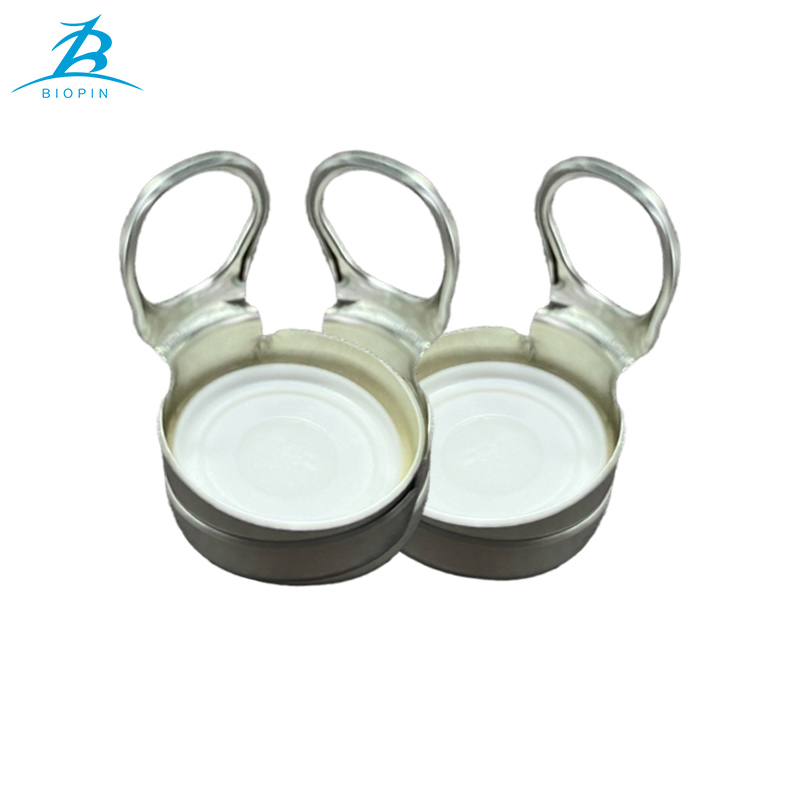
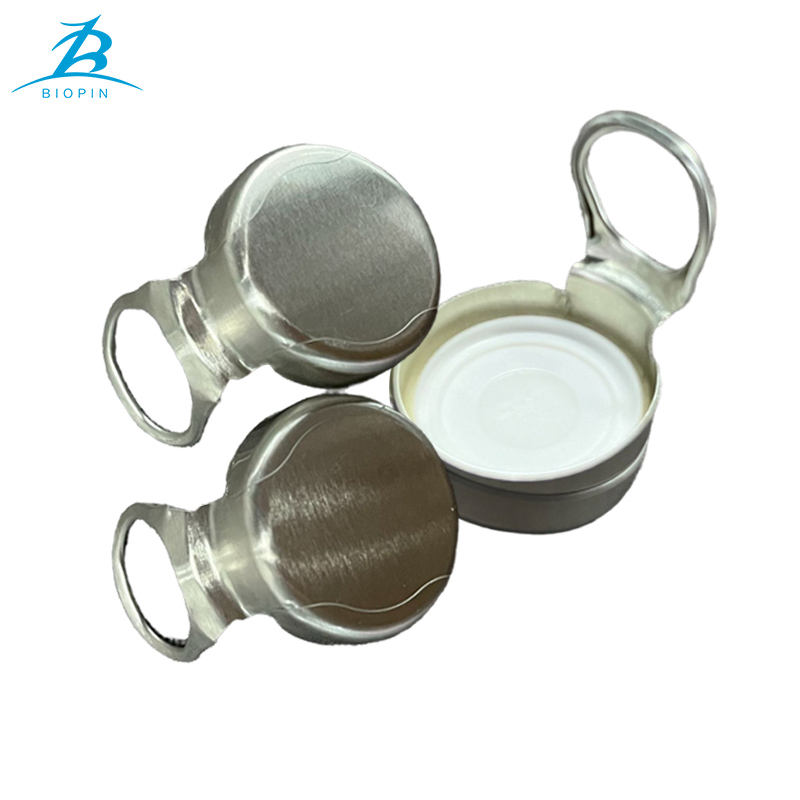
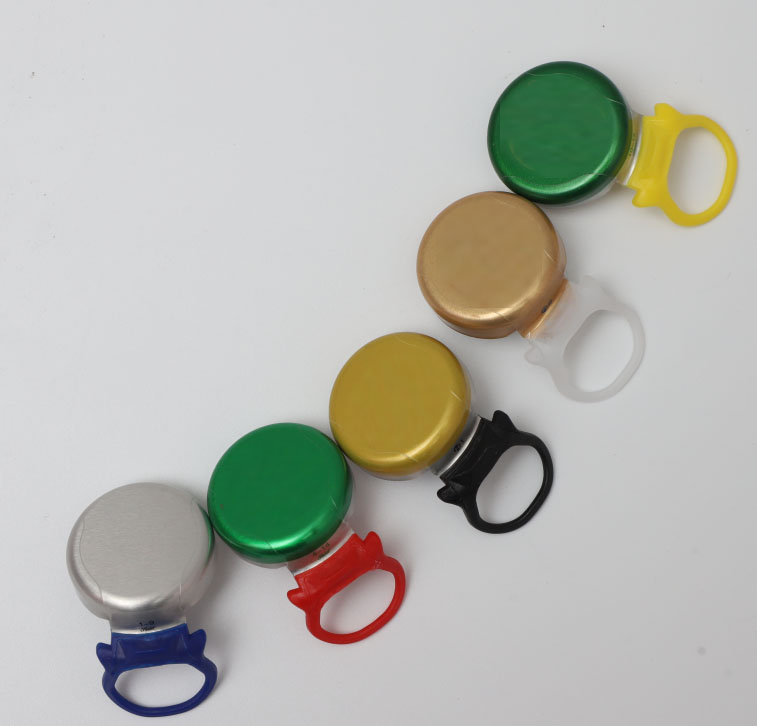
    Ring pull caps are far from one-size-fits-all, and understanding the difference between plastic ring tab and aluminum ring tab variants is key to making the right choice for your brand. The only distinction lies in the ring material, but this small difference unlocks distinct advantages tailored to different business goals.​   Plastic ring tab caps are manufactured using SCMI equipment, a gold standard in packaging machinery recognized worldwide. This certification ensures consistent quality and compatibility with international production systems, making them a top choice for brands looking to expand globally. They align perfectly with global market access, SCMI-certified production, and consistent quality control—critical factors for cross-border success.​   Aluminum ring tab caps, on the other hand, are crafted entirely from aluminum, positioning them as a leader in sustainable packaging. Aluminum is 100% recyclable and has a significantly lower carbon footprint than plastic, making these caps ideal for brands prioritizing environmental responsibility. They resonate with eco-conscious consumers and support green business initiatives, embodying the keywords eco-friendly packaging, 100% recyclable aluminum, and sustainable branding.​   No matter which variant your brand needs, BIOPIN delivers exceptional solutions that combine performance and value. Our plastic ring tab caps leverage SCMI equipment for global compatibility, while our aluminum options set the bar for eco-friendly packaging. Beyond superior products, BIOPIN offers dedicated customer support, from initial design consultation to post-purchase maintenance, ensuring a seamless experience every step of the way. Partner with BIOPIN to access ring pull caps that align with your goals—whether it’s global expansion or sustainability—and enjoy the peace of mind that comes with a trusted industry leader.
  • Ring Pull Caps: The Ultimate Convenience Shaping Packaging’s Future
    Ring Pull Caps: The Ultimate Convenience Shaping Packaging’s Future Nov 08, 2025
    Grab a cold drink from the fridge, and you’ll quickly realize why ring pull caps are overtaking crown caps in the packaging world. Trying to open a crown cap without an opener is a frustrating experience—one that often leads to spilled drinks or broken nails. Ring pull caps eliminate this hassle entirely; a simple pinch and pull is all it takes to access your favorite beverage, making them a hit among busy parents, office workers, and anyone on the move.​   This level of convenience isn’t just a nice-to-have—it’s a necessity in today’s fast-paced lifestyle. Consumers are increasingly choosing products that fit seamlessly into their daily routines, and ring pull caps deliver exactly that. Beyond ease of use, they also offer superior sealing, keeping contents fresher for longer and reducing waste from spoiled goods. Manufacturers are taking note too, as ring pull caps integrate more smoothly into automated production lines, cutting down on labor time and operational costs.​   As the demand for user-centric packaging grows, ring pull caps are set to become the industry standard, leaving crown caps behind as a outdated option. Key terms driving this shift include easy-open design, consumer-centric packaging, and operational efficiency—all areas where ring pull caps excel.​   When it comes to choosing a reliable ring pull cap partner, BIOPIN stands out from the crowd. Our ring pull caps not only boast the unbeatable convenience that consumers crave but also come with BIOPIN’s signature commitment to quality. We offer flexible customization options to match your brand’s unique needs, paired with global logistics support that ensures timely delivery, no matter your market. With BIOPIN, you’re not just getting a packaging product—you’re gaining a partner dedicated to boosting your product’s appeal and streamlining your operations.
  • Health and Safety Aspects of Using Aluminum Cans
    Health and Safety Aspects of Using Aluminum Cans Oct 28, 2025
    Aluminum cans are one of the most widely used beverage packaging options globally, but concerns about their health and safety—from metal migration to chemical coatings—persist among consumers and regulators. In 2025, with stricter food safety standards (e.g., FDA’s Food Contact Substances (FCS) regulations, EU’s Regulation (EC) No 1935/2004) and increased transparency requirements, understanding the scientific basis of these concerns is critical. Below is a evidence-based analysis of aluminum can safety, drawing on research from the FDA, EFSA (European Food Safety Authority), and the World Health Organization (WHO).   A primary concern is aluminum migration—the transfer of aluminum from the can to the beverage. Aluminum is a naturally occurring element, and humans ingest small amounts daily from food, water, and air (the WHO sets a safe intake limit of 1mg per kg of body weight per week). Studies by the EFSA show that aluminum migration from intact cans is minimal: for non-acidic beverages (e.g., water, beer), migration levels are <0.05mg per liter (well below the WHO limit), while for acidic beverages (e.g., soda, fruit juice), levels rise to 0.1–0.3mg per liter—still within safe thresholds. The key factor limiting migration is the food-grade liners applied to the interior of aluminum cans. These liners (typically made of epoxy resins or polyester) create a physical barrier between the aluminum and the beverage, reducing migration by 95% compared to unlined cans. In 2025, all major can manufacturers (e.g., Ball Corporation, Crown Holdings) use liners that meet FDA and EFSA standards, with no detectable migration of harmful compounds.   Another focus is the safety of liner materials, particularly concerns about BPA (bisphenol A). BPA is a chemical once used in epoxy liners to enhance durability, but studies linked high doses to hormonal disruptions. In response, the industry has largely phased out BPA: by 2025, 99% of aluminum can liners are BPA-free, using alternatives like bisphenol F (BPF) or bisphenol S (BPS) or non-bisphenol resins (e.g., polyester-based liners). Research by the FDA confirms that BPF and BPS have minimal hormonal activity—their migration levels are <0.001mg per liter, and long-term studies show no adverse health effects at these doses. The EU has gone further, banning all bisphenol-based liners in children’s beverage cans (e.g., juice boxes) in 2025, requiring 100% non-bisphenol liners for these products.   Microbial contamination is a risk for all beverage packaging, but aluminum cans offer strong microbial barrier properties. Unlike plastic bottles (which can be punctured or have loose caps) or paper cartons (which absorb moisture), aluminum cans are hermetically sealed during filling—this prevents bacteria, mold, and yeast from entering the beverage. Studies by the International Society for Food Protection (ISFP) show that aluminum cans have a microbial contamination rate of <0.01% (vs. 0.5% for plastic bottles and 0.2% for cartons). However, contamination can occur if cans are damaged (e.g., dented, punctured) or if filling facilities have poor hygiene. To mitigate this, can manufacturers and beverage brands follow strict GMP (Good Manufacturing Practices): cans are sterilized before filling, and filling lines are cleaned hourly to prevent cross-contamination. In 2025, many facilities also use AI-powered quality control to detect damaged cans before they are filled.   Heavy metal contamination is another concern, but aluminum cans are highly regulated in this area. The FDA and EU set strict limits on heavy metals (e.g., lead, cadmium, mercury) in aluminum used for food packaging: lead levels must be <0.1mg per kg of aluminum, and cadmium <0.01mg per kg. These limits are enforced through third-party testing—all aluminum used for cans is certified as “food-grade” before production. Additionally, the use of recycled aluminum (now 50%+ of can content globally) does not increase heavy metal risk: recycling facilities use magnetic separation and chemical purification to remove heavy metals from scrap aluminum, ensuring recycled material meets the same standards as virgin aluminum. A 2025 study by the Aluminum Association found no difference in heavy metal levels between cans made from 100% virgin aluminum and 100% recycled aluminum.   Consumer handling also impacts safety. To minimize risks, experts recommend: avoiding storing aluminum cans in extreme temperatures (e.g., direct sunlight for weeks, which can degrade liners slightly); not drinking from dented or punctured cans (which may compromise the liner); and washing the can top before opening (to remove dust or bacteria from transportation). These simple steps further reduce any potential safety risks, though the scientific consensus is that intact, properly handled aluminum cans are among the safest beverage packaging options.   In conclusion, aluminum cans are safe for beverage use when manufactured and handled correctly. Regulatory standards, BPA-free liners, minimal aluminum migration, and strong microbial barriers ensure they meet the highest health and safety requirements. For consumers and brands, choosing aluminum cans means prioritizing both sustainability and safety—two critical factors in 2025’s beverage packaging landscape.
  • Aluminum Cans vs. Other Beverage Packaging Options
    Aluminum Cans vs. Other Beverage Packaging Options Oct 24, 2025
    Beverage brands face a critical choice when selecting packaging: aluminum cans, plastic bottles, glass bottles, or paper-based cartons. Each option differs in sustainability, cost, functionality, and consumer preference—factors that directly impact a brand’s environmental footprint and bottom line. In 2025, with rising regulatory pressure (e.g., EU CBAM, U.S. recycled content mandates) and consumer demand for sustainability, aluminum cans are gaining traction, but understanding their strengths and weaknesses relative to alternatives is key. Below is a data-driven comparison, drawing on insights from the Packaging Europe Report and Aluminum Association.   When it comes to carbon footprint, aluminum cans outperform most alternatives. A 330mL aluminum can has a cradle-to-grave carbon footprint of 85g CO₂e, compared to 140g for a PET plastic bottle (100% virgin) and 350g for a glass bottle (returnable). This gap widens when using recycled aluminum: a can made with 70% recycled content has a footprint of just 30g CO₂e—65% lower than a virgin aluminum can. In contrast, plastic bottles see minimal carbon savings from recycling (only 15% reduction for 100% recycled PET), while glass bottles require energy-intensive melting (even returnable glass has a 200g CO₂e footprint for 330mL). The reason? Aluminum’s infinite recyclability allows it to retain 95% of its original energy through each cycle, whereas plastic degrades in quality after 2–3 recycles and glass loses thickness with repeated use.   Recycling rates are another area where aluminum cans excel. Globally, aluminum cans have a recycling rate of 65%, compared to 30% for PET plastic bottles and 45% for returnable glass bottles. In developed markets, the gap is even larger: the EU reports 76% recycling for aluminum cans, vs. 28% for plastic and 50% for glass. This is due to aluminum’s high material value (scrap aluminum sells for $1,800–$2,200 per ton, vs. $200–$300 per ton for scrap plastic) and established sorting infrastructure (optical sensors easily identify aluminum). For brands, higher recycling rates reduce reliance on virgin materials and lower regulatory risks (e.g., avoiding plastic taxes in the EU and India). However, aluminum cans face competition from paper cartons in regions with strong paper recycling systems (e.g., Sweden), where cartons have a 60% recycling rate—but cartons require complex separation of paper, plastic, and aluminum layers, limiting their circularity.   Functionality and shelf life are critical for beverage preservation. Aluminum cans offer superior barrier properties: they block light, oxygen, and moisture completely, extending the shelf life of sensitive beverages (e.g., craft beer, fruit juice) by 6–12 months compared to plastic or cartons. Plastic bottles allow 5–10% oxygen permeation over 6 months, leading to flavor degradation, while paper cartons rely on a thin aluminum layer for barrier protection—this layer can tear, causing leaks. Glass bottles also offer strong barrier properties but are heavy (a 330mL glass bottle weighs 250g, vs. 13g for an aluminum can) and breakable, increasing transportation costs (glass requires 2–3x more fuel to ship than aluminum) and waste from breakage (5–8% of glass bottles are damaged in transit, vs. <1% for aluminum cans). For brands targeting emerging markets with poor logistics (e.g., sub-Saharan Africa), aluminum cans’ durability and light weight make them a more reliable choice.   Cost is a deciding factor for many brands, and aluminum cans balance upfront and long-term expenses. The upfront cost of an aluminum can (3–4 cents per 330mL) is higher than a virgin PET bottle (2–3 cents) but lower than a glass bottle (5–7 cents). However, when accounting for total cost of ownership (TCO), aluminum cans often become more affordable: their light weight reduces shipping costs by 40% vs. glass, and their high recycling value allows brands to recover 1–2 cents per can via scrap sales. Plastic bottles have lower upfront costs but face rising taxes (e.g., EU Plastic Tax) and negative consumer perception, while glass requires expensive return systems (e.g., deposit schemes) that are impractical in low-income regions. Paper cartons have similar upfront costs to aluminum but higher processing costs (due to complex recycling) and shorter shelf life, increasing waste from expired products.   Consumer preference is shifting toward aluminum cans in 2025, driven by sustainability awareness. A 2025 Global Consumer Survey found that 68% of respondents prefer aluminum cans for carbonated drinks and beer, citing “recyclability” and “freshness” as top reasons. Plastic bottles are viewed negatively by 55% of consumers (due to pollution concerns), while glass is preferred for premium products (e.g., wine, craft spirits) but seen as cumbersome for on-the-go use. Aluminum cans also offer more design flexibility—brands can use full-wrap printing and embossing to stand out on shelves, a feature that plastic and cartons struggle to match.   In summary, aluminum cans outperform alternatives in carbon footprint, recycling rates, and durability, making them a strong choice for most beverage categories. While plastic and paper cartons have lower upfront costs, their environmental and regulatory risks are growing, and glass remains limited to premium, stationary markets. For brands prioritizing sustainability, cost-efficiency, and consumer appeal, aluminum cans are the optimal packaging solution in 2025.
  • Latest Tariffs and Regulations Affecting Aluminum Cans in 2025
    Latest Tariffs and Regulations Affecting Aluminum Cans in 2025 Oct 16, 2025
    The global aluminum can industry faces a dynamic regulatory landscape in 2025, with tariffs, sustainability mandates, and trade policies reshaping supply chains and production costs. As aluminum is a critical input for beverage packaging—accounting for 30% of global aluminum demand in consumer goods—these changes impact manufacturers, brands, and consumers alike. Below is a breakdown of the most impactful tariffs and regulations, drawing on updates from the World Trade Organization (WTO), EU Commission, and U.S. Department of Commerce.   A key regulatory shift is the EU’s CBAM (Carbon Border Adjustment Mechanism) Phase 2, which expands coverage to aluminum (including aluminum cans) in 2025. Under CBAM, importers of aluminum-based products must pay a carbon fee based on the emissions generated during production. For aluminum cans, this translates to a cost of €80–€120 per ton of aluminum, depending on the origin: cans made from primary aluminum (high-emission) will face higher fees than those using recycled aluminum (low-emission). This policy aims to level the playing field for EU-based manufacturers, which already adhere to strict carbon reduction targets (e.g., the EU’s 2030 Climate Law). For non-EU exporters (e.g., China, India), CBAM incentivizes investment in recycled content to avoid higher costs—many are now increasing recycled aluminum use in cans from 30% to 50% to qualify for lower fees.   In the U.S., the Section 232 tariffs on aluminum imports remain in place but with targeted adjustments in 2025. Initially imposed in 2018 to protect domestic aluminum production, the tariffs (10% on most imports) now include exemptions for countries with robust recycling programs: Canada, Mexico, and Japan have secured permanent exemptions, while the EU and UK have temporary exemptions (renewed quarterly). Notably, the U.S. has introduced a “Recycled Aluminum Credit” for can manufacturers: those using 70%+ recycled aluminum in cans receive a 2% tariff reduction, encouraging adoption of secondary aluminum. This credit aligns with the U.S. EPA’s goal to boost aluminum can recycling rates from 68% to 80% by 2030. However, the tariffs continue to strain U.S.-China trade: Chinese aluminum can exporters face the full 10% tariff, leading some U.S. beverage brands (e.g., PepsiCo) to shift sourcing to domestic or exempted suppliers.   Asia’s regulatory focus in 2025 is on export controls and recycled content mandates. China, the world’s largest aluminum producer, has tightened restrictions on primary aluminum exports to prioritize domestic supply (critical for its EV and renewable energy sectors). For aluminum cans, this means Chinese exporters must secure government quotas, which are limited to 50% of 2024 levels. To offset this, China has mandated that all domestic can manufacturers use at least 40% recycled aluminum by 2025 (up from 25% in 2024), driving demand for scrap aluminum. In India, the government has introduced a “Green Packaging Tax” on non-recyclable beverage packaging: aluminum cans are exempt, but plastic and glass bottles face a 5% tax—this has boosted aluminum can adoption by 15% among Indian beverage brands (e.g., Coca-Cola India).   Global ESG compliance requirements are also shaping the industry in 2025. The Task Force on Climate-Related Financial Disclosures (TCFD) now requires all public beverage and packaging companies to disclose the carbon footprint of their can supply chains. For example, Nestlé and Unilever must publish data on aluminum sourcing (primary vs. recycled), emissions from production, and recycling rates for their cans. This transparency pushes manufacturers to partner with certified suppliers (e.g., those with ASI Aluminum Stewardship Initiative certification) to meet investor and consumer demands. Additionally, the UN Global Compact’s “Packaging for a Circular Economy” initiative has 200+ signatories in 2025, all committed to making aluminum cans 100% recyclable and using 50%+ recycled content by 2027.   These tariffs and regulations create both challenges and opportunities: while they increase costs for some players, they accelerate the shift to a more sustainable, circular aluminum can industry. Manufacturers that invest in recycled content, carbon reduction, and ESG transparency will be best positioned to navigate 2025’s regulatory landscape.
  • Steps to Recycle Aluminum Cans Properly: A Industry-Aligned Guide
    Steps to Recycle Aluminum Cans Properly: A Industry-Aligned Guide Oct 08, 2025
    Aluminum cans stand out as one of the most sustainable packaging options due to their infinite recyclability—a trait that allows them to be repurposed into new cans repeatedly without losing structural integrity. However, improper recycling practices often lead to contamination, reducing recovery rates and undermining environmental benefits. According to the Aluminum Association, global aluminum can recycling rates average 65%, but this figure can rise to 80% with correct processing. Below is a step-by-step framework to ensure optimal recycling, aligned with standards from the EPA and International Solid Waste Association (ISWA). First, consumers must prioritize contamination control—the single biggest barrier to effective recycling. Start by fully emptying cans of all liquids (soda, beer, juice) to prevent mold growth and avoid ruining paper or plastic recyclables in mixed waste streams. A quick cold-water rinse (10–15 seconds) removes sticky residues without wasting energy; hot water is unnecessary and inefficient. Next, remove non-aluminum components: modern “stay-on-tab” lids are aluminum and require no removal, but plastic accessories (e.g., promotional ring pulls) or wax-coated labels should be peeled off—these can clog sorting machinery. Crushing cans is optional but recommended for space efficiency (reducing volume by 70%), though some facilities prefer uncrushed cans for easier optical sorting (a technology that uses near-infrared sensors to identify aluminum). Always check local guidelines (e.g., municipal recycling apps) to confirm crushing policies. Second, proper sorting at the consumer and industrial levels is critical. For households, use curbside bins labeled “mixed metals” or “aluminum”—avoid tossing cans into general waste, as they can take up to 80 years to degrade in landfills. Drop-off centers (e.g., grocery store kiosks) are ideal for rural areas or large quantities, often offering incentives like deposit refunds. At material recovery facilities (MRFs), cans undergo automated sorting: magnetic separation first removes ferrous metals (e.g., steel cans), then optical sensors isolate aluminum by detecting its unique molecular structure. Manual quality control follows to eliminate remaining contaminants (e.g., glass shards, plastic fragments), ensuring the final aluminum stream meets a 99% purity standard—required for downstream processing. Third, industrial secondary production transforms scrap cans into new packaging. Purified aluminum scrap is melted in furnaces at 660°C (aluminum’s melting point)—a process that uses 95% less energy than primary aluminum production (which relies on bauxite mining). This energy savings translates to a 90% reduction in carbon emissions compared to making cans from raw ore. After melting, chemical additives (magnesium, silicon) are mixed to adjust the alloy to 3004, the industry standard for cans (valued for its strength and formability). The molten aluminum is then cast into thin coils, which are shipped to can manufacturers to be stamped, formed, and coated—completing the loop in as little as 60 days. Finally, stakeholders must adopt long-term best practices. Brands should prioritize recyclability design by using monomaterial aluminum (avoiding plastic liners with non-recyclable adhesives) and adding clear recycling labels (e.g., the Möbius loop with “Aluminum” notation). Waste managers should invest in advanced sorting tech (AI-powered optical sensors) to improve accuracy, while policymakers can boost rates via deposit systems (e.g., 5–10 cents per can in 12 U.S. states and the EU). By following these steps, every actor contributes to a circular economy for aluminum, turning waste into a valuable resource.  
1 2 3 4 5 6 7 8 9 10 11 12 13

A total of13pages

Need Help? Chat with us

leave a message
If you are interested in our products and want to know more details,please leave a message here,we will reply you as soon as we can.
Submit
see more

Our hours

  • SUMMER HOURS: 9:00~17:00

WINTER HOURS: 9:00~17:30


SUMMER HOURS: 9:00~17:00

WINTER HOURS: 9:00~17:30


Contact us #
+8617855139217

home

products

whatsApp

contact us